India’s new energy storage funding scheme targets 30 GWh of battery storage, 60 GWh of pumped hydro storage and 2 GWh (92GWh Energy Storage Scheme) of emerging technologies, with an estimated investment of ₹97,600 crore
Key Highlights
- Scheme – ₹14,500 Crore Viability Gap Funding (VGF)
- Total storage capacity – 92 GWh
- Implementation timeline – FY 2026-27 to FY 2030-31
- Pumped storage (PSP) – 60 GWh
- Battery storage (BESS) – 30 GWh
- Emerging technologies – 2 GWh
- Estimated investment – ₹97,600 crore
- BESS mandate – Minimum 40% Domestic Content Requirement (DCR)
- Allocation method – Tariff-based competitive bidding
- National goal – Contributes to 411 GWh target by FY 2031-32
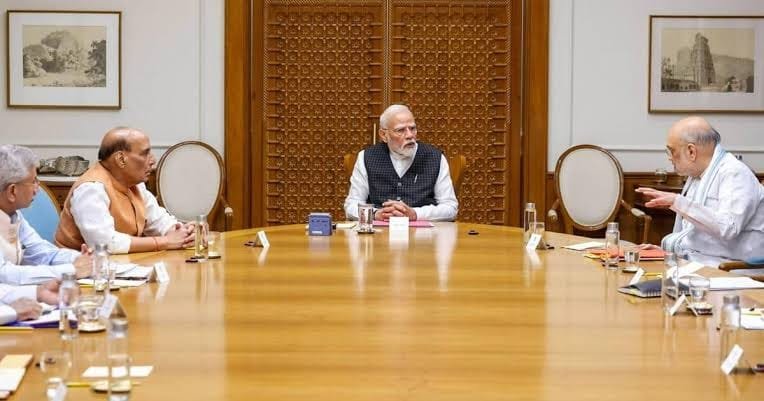
The Union Cabinet, chaired by Prime Minister Narendra Modi, has approved the 92GWh Energy Storage Scheme backed by a ₹14,500 crore (145 billion) Viability Gap Funding (VGF) support. Set to be implemented during FY 2026-27 to FY 2030-31, the initiative aims to deploy 92 GWh of grid-scale energy storage capacity across India.
The initiative aims to strengthen India’s electricity grid, support large-scale renewable energy integration and improve the availability of reliable and affordable round-the-clock power.
92GWh Energy Storage Scheme Capacity Across Three Technologies
Under the scheme, the government will support the development of three categories of energy storage projects :-
- Battery Energy Storage Systems (BESS) – 30 GWh
- Pumped Storage Projects (PSP) – 60 GWh
- Emerging Energy Storage Technologies – 2 GWh
- Total – 92GWh Energy Storage Scheme
The projects are expected to attract a combined investment of approximately ₹97,600 crore. The proposed 92GWh Energy Storage capacity represents a significant expansion of India’s grid-scale energy storage infrastructure.
92GWh Energy Storage Scheme will also contribute towards meeting India’s estimated requirement of 411 GWh of grid-scale energy storage capacity by FY 2031-32.
40% Domestic Content Requirement for BESS Projects
A key feature of the scheme is the mandatory minimum Domestic Content Requirement (DCR) of 40% for Battery Energy Storage System projects.
The requirement is designed to encourage domestic battery manufacturing, strengthen India’s energy storage supply chain and reduce dependence on imported components.
The initiative is also expected to create opportunities for Indian battery manufacturers, cell producers, BESS integrators and energy storage technology companies.
Competitive Bidding for Project Allocation
92GWh Energy Storage Scheme capacity under the scheme will be allocated through a tariff-based competitive bidding process.
Public and private sector electricity distribution companies will be eligible to receive VGF support for BESS and Hydro Pumped Storage projects. Projects based on alternative energy storage technologies will be implemented by eligible public and private sector entities.
The financial assistance is intended to improve project viability and accelerate investment in large-scale energy storage infrastructure.
Boost for India’s Renewable Energy and BESS Market
The expansion of grid-scale energy storage is becoming increasingly important as India adds more solar and wind power capacity to its electricity system.
Battery storage can help manage fluctuations in renewable generation by storing surplus electricity and supplying it during periods of peak demand. Pumped hydro storage can provide longer-duration storage and support grid balancing requirements.
The ₹14,500 crore VGF scheme is expected to strengthen grid flexibility, improve renewable energy utilisation and reduce dependence on conventional power generation for balancing electricity demand.
With 92 GWh of new storage capacity targeted and an estimated investment of ₹97,600 crore, the initiative marks a major policy push for India’s energy storage industry and supports the country’s long-term energy security objectives.
Read More About Green energy Corridor – Cabinet Approves ₹1.86 Lakh Crore Green Energy Corridor-III for 135 GW Renewable Energy and 50 GWh BESS