ReNew Wind Energy Private Limited has signed an MoU with the Maharashtra government to develop a proposed 750 MW integrated green data centre park across the Mumbai Metropolitan Region, with operations expected to begin in phases from 2028.
Key Highlights
- Project entity – ReNew Wind Energy Private Limited
- Proposed investment – ₹70,000 crore
- Planned capacity – 750 MW data centre park
- Locations – across Navi Mumbai
- Green power – 51% requirement
- TImeline – Development from 2028
- Expected Employment – 7,000 jobs
- Maharashtra Portfolio – 2.5 GW
- MoU signed with Maharashtra government
ReNew, through its wholly owned subsidiary ReNew Wind Energy Private Limited, has signed a memorandum of understanding (MoU) with the Government of Maharashtra for a proposed investment of ₹70,000 crore to develop a 750 MW integrated green data centre park across the Mumbai Metropolitan Region (MMR). The project will span multiple locations, including Panvel, Khalapur, Taloja and Bhokharpada in Navi Mumbai, with phased development expected to begin in 2028.
The proposed investment marks ReNew’s entry into the data centre infrastructure segment, expanding its presence beyond renewable energy generation. The project aligns with Maharashtra’s ambition to become a $1 trillion economy by 2030 and attract investments in digital infrastructure, semiconductors and clean energy.
51% Green Power Requirement for Data Centre Operations
Renewable energy integration is a central feature of the proposed development. According to reports related to the MoU, the data centre park will have a requirement to use 51% green power for its operations.
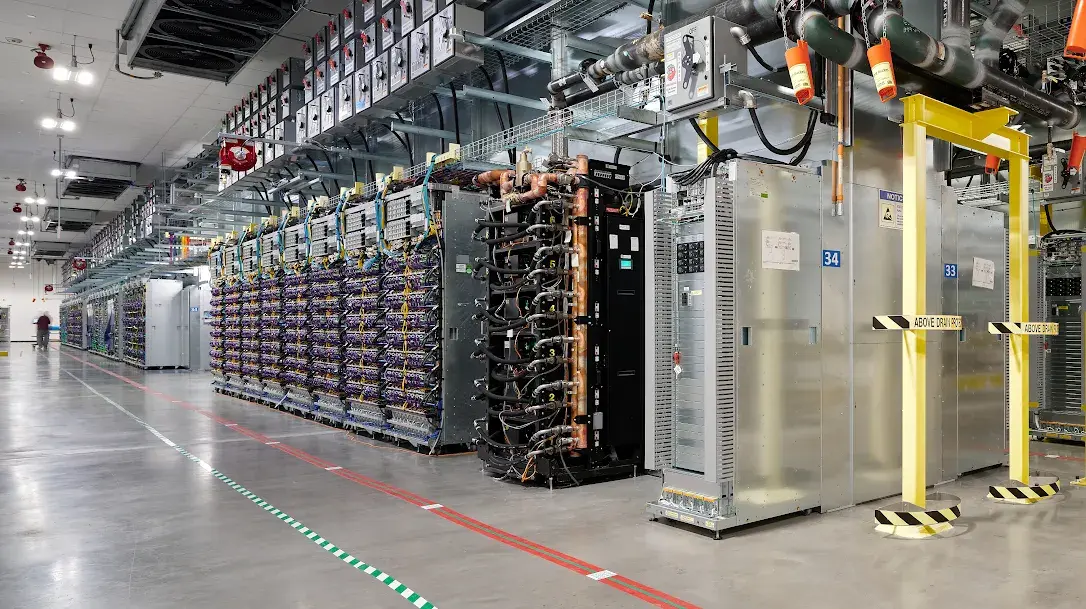
Data centres require continuous electricity to operate servers, cooling systems, networking equipment and associated infrastructure. Integrating renewable electricity could help reduce reliance on conventional power sources while supporting sustainability objectives.
The project also envisages two incoming electricity feeders from independent sources to the park’s substation to support power supply reliability. However, ReNew has not disclosed the dedicated solar or wind capacity planned for the development. Details of renewable power purchase agreements or project-specific battery energy storage systems (BESS) have also not been announced.
Maharashtra Government to Facilitate Approvals
Under the MoU, the Maharashtra government will facilitate necessary permissions, registrations, approvals, clearances and eligible fiscal incentives, subject to applicable policies and regulations.
The agreement was signed by P. Anbalagan, Principal Secretary of the Industries, Investment and Services Department and Chief Executive Officer of Invest Maharashtra, alongside ReNew’s Maharashtra state head.
The final financing arrangements, construction milestones and implementation schedule remain undisclosed. The project is currently at the MoU stage and is subject to further approvals and development progress.
ReNew Has a 2.5 GW Energy Portfolio in Maharashtra
ReNew has an existing energy portfolio of approximately 2.5 GW in Maharashtra and has invested around ₹15,000 crore in the state. Its reported portfolio includes 1.3 GW of commissioned wind capacity and 376 MW under construction. Its solar portfolio comprises 450 MW of commissioned capacity and another 273 MW under construction.
This presence could create opportunities to connect ReNew’s renewable energy capabilities with the electricity requirements of the proposed data centre park. However, the company has not confirmed whether its existing or future renewable projects will directly supply the facilities.
Project Expected to Generate 7,000 Jobs
The proposed development is expected to generate approximately 7,000 jobs, including more than 2,000 direct employment opportunities. Potential roles could span construction, electrical engineering, data centre operations, technical maintenance and supporting services.
The ₹70,000 crore investment highlights the growing connection between renewable energy and India’s expanding digital economy. With phased development expected from 2028, the project’s impact will depend on execution, power procurement arrangements and the infrastructure required to meet its 51% green power requirement.